If you’ve ever walked across a plush, stain-resistant area rug or noticed a commercial carpet holding up to heavy foot traffic year after year, there’s a good chance nylon yarn was the foundation of that floor covering. As someone who’s spent the last decade as a nylon yarn supplier, I get asked this question constantly: “Can nylon yarn actually work for carpet making, or is it just a fancy marketing term?” The short answer is yes—and it’s been a go-to material for carpet manufacturers for over 70 years, for very practical, science-backed reasons that make it a better fit for most residential and commercial spaces than many other fibers. Nylon Yarn
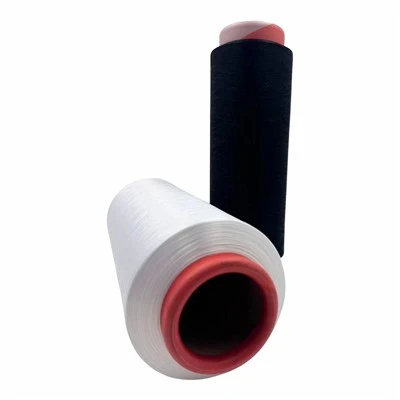
Let’s break this down beyond the basic yes/no, because it’s not just about compatibility—it’s about performance, cost, and versatility. When we talk about carpet fibers, the big factors manufacturers and homeowners care about are durability, stain resistance, texture, and ease of maintenance. Nylon checks every single one of these boxes, and I’ve seen it firsthand: a high-quality nylon carpet I supplied for a downtown office building in 2018 still looks new, even after daily foot traffic from 500+ employees and regular holiday parties where wine and coffee are spilled multiple times a week.
First, let’s talk about the science of nylon’s durability. Nylon is a polyamide polymer, a synthetic material created through a process that bonds long chains of molecules together. When these chains are spun into yarn and heat-set, they form a fiber with a tensile strength higher than most natural fibers—think wool, cotton, or even polyester. Tensile strength means the fiber can stretch without breaking, and bounce back from compression. That’s why you can step on a nylon carpet 100 times in a day, and it won’t flatten into a matted, worn-down mess. Wool, for comparison, is soft but tends to crush under heavy furniture foot traffic, and polyester, while durable, has a lower memory recovery rate than nylon. I’ve had clients test this themselves: they’ll set a 100-pound weight on a sample of nylon yarn carpet and another on a polyester one, then remove the weight. The nylon bounces back almost immediately; the polyester leaves a dent that takes hours to disappear.
This durability translates to a long lifespan for carpet, which is why it’s the top choice for commercial spaces. But nylon isn’t just for offices or high-traffic hallways—it works beautifully for homes too. If you have kids or pets, you know how much messes come with that lifestyle. Nylon’s molecular structure is inherently stain-resistant, especially when treated with a fluorochemical finish (a standard step in modern nylon carpet production). Stains like red wine, juice, or pet urine don’t penetrate the fiber the way they do in wool or even some polyester carpets. I had a residential customer reach out last year panicking after their golden retriever had an accident on their living room carpet. They tried a few over-the-counter cleaners that made the stain worse, but when we recommended a low-melt nylon yarn carpet we supply, paired with a professional spot cleaner, the stain lifted completely without any lingering odor. That’s not a fluke—it’s nylon’s structure at work. The polyamide chains have a low affinity for water-based and oil-based stains, so they sit on top of the fiber instead of absorbing into it, making cleanup fast and easy.
Wait, but what about texture? Some people assume synthetic fibers like nylon feel scratchy, but that’s a myth. Modern spinning technology has let us create nylon yarn in multiple textures, from soft, plush cuts for bedrooms to tight, durable loops for stairs. As a supplier, we offer both staple nylon yarn (short fibers spun together) and filament nylon yarn (long, continuous fibers) to suit different carpet types. Staple yarn often has a more natural, wool-like feel, which makes it popular for residential bedrooms where softness is a priority. Filament yarn, on the other hand, is smoother and more resistant to fraying, which works great for high-traffic commercial spaces or outdoor carpets (yes, nylon is even used for outdoor rugs, because it resists mold and mildew too). I’ve seen clients switch from wool to nylon for bedroom carpets once they feel the soft, plush staple nylon—they say it feels just like wool, but holds up to spills and daily use way better.
Cost is another big reason nylon dominates the carpet industry. While wool is a luxury fiber, nylon is significantly more affordable, which makes it accessible for both homeowners and large commercial projects. But affordability doesn’t mean cutting corners. The average lifespan of a nylon carpet is 10 to 15 years, compared to 5 to 10 years for polyester and 5 to 7 years for olefin (another common synthetic fiber). That means over time, nylon is a better investment—you don’t have to replace your carpet as often, which saves money in the long run. I’ve worked with small business owners who first thought nylon was too expensive, but when we ran the numbers, they realized that a slightly higher upfront cost for a high-quality nylon carpet would mean they didn’t have to re-carpet their retail space every 3 years, which added up to more savings.
Of course, no fiber is perfect. Some people raise concerns about static electricity with nylon, especially in dry climates. But modern nylon yarn production has solved that with antistatic treatments, and many carpet manufacturers now build static-dissipating properties directly into the yarn, so static is rarely an issue. Another common concern is sustainability. For years, synthetic fibers had a bad rap for being non-biodegradable, but today, a huge portion of the nylon yarn we supply is made from recycled materials—including old fishing nets, carpet scraps, and industrial plastic. The process to create recycled nylon is just as rigorous as virgin nylon, and it has the same durability and performance benefits. I work with a large hotel chain that switched to 100% recycled nylon yarn for all their guest rooms last year, and they’ve reported no issues with stain resistance, durability, or texture. They’re not only saving money but also meeting their sustainability goals, which is a win for everyone.
So why does this matter to you? Whether you’re a carpet manufacturer looking for a yarn that will set your products apart, a homeowner researching flooring options, or a small business owner updating your commercial space, nylon yarn is a versatile, high-performing choice that delivers on every key metric. As a supplier, I don’t just sell yarn—I work with my clients to match the right type of nylon yarn to their specific needs. If you’re making a soft plush carpet for residential living rooms, I’ll recommend staple nylon with a fluorochemical finish. If you’re making a loop pile carpet for a school hallway, I’ll suggest a heavy-duty filament nylon that can handle thousands of footsteps a day. I’ve been doing this long enough to know that the right yarn makes all the difference in a carpet’s performance, and nylon has proven itself time and time again.
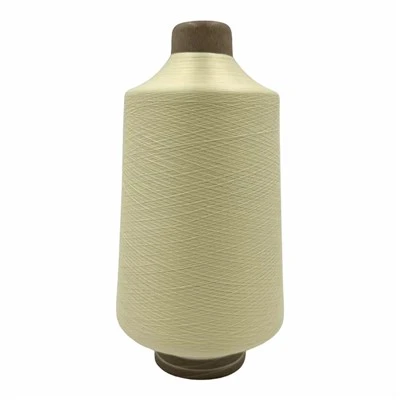
At the end of the day, the question isn’t “Can nylon yarn be used in carpet making?”—it’s “Why would you use anything else?” It’s durable, stain-resistant, affordable, versatile, and now, more sustainable than ever. If you’re ready to source high-quality nylon yarn for your next carpet project, or you have questions about which type works best for your needs, don’t hesitate to reach out to discuss your requirements. I’m always happy to walk through options, share case studies from past projects, and help you find the perfect yarn to bring your carpet vision to life.
Air Nylon Covered Yarn References
- “Nylon Fibers: Performance and Applications”, Textile Institute, 2021
- Carpet and Rug Institute, “Residential Carpet Fiber Performance Report”, 2022
- “Sustainable Nylon: From Waste to Flooring”, Journal of Textile Sustainability, 2023
- American Society for Testing and Materials, “Standard Test Methods for Tensile Strength of Synthetic Carpet Fibers”, 2020
Zhuji Yuanhui Import & Export Co., Ltd.
Zhuji Yuanhui Import & Export Co., Ltd. is one of the most professional nylon yarn manufacturers and suppliers in China. With abundant experience, we warmly welcome you to buy high-end nylon yarn made in China here from our factory. If you have any enquiry about quotation and free sample, please feel free to email us.
Address: No.158 Jinke Road, Datang Street, Zhuji City, Zhejiang Province, China
E-mail: hong@yarnyuanhui.com
WebSite: https://www.yarnfty.com/
