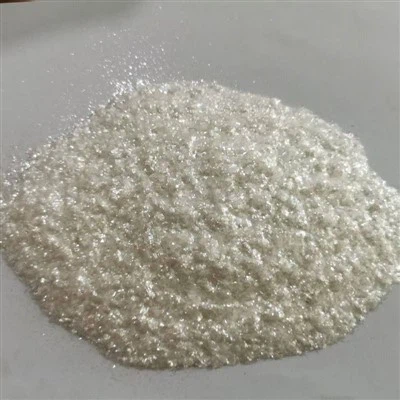
Kaolin, also known as china clay, is a naturally occurring white clay mineral composed mainly of kaolinite. Its unique physical and chemical properties have made it a versatile material with a wide range of applications across various industries. In the pharmaceutical industry, kaolin’s significance cannot be overstated. As a reliable kaolin supplier, I’ve witnessed firsthand how this remarkable mineral plays a crucial role in modern medicine. In this blog, I’ll explore the diverse applications of kaolin in the pharmaceutical sector and its many benefits. Kaolin
1. Oral Medications: As an Active Ingredient and Excipient
Kaolin’s primary use in the pharmaceutical industry is as an active ingredient and excipient in oral medications. When it comes to treating gastrointestinal disorders, kaolin is a star player. It has long been used as an anti – diarrheal agent. Its ability to absorb excess water in the intestines and bind to toxins and pathogens effectively reduces the frequency and fluidity of stools. For patients suffering from diarrhea caused by non – infectious factors such as spoiled food or mild digestive discomfort, kaolin – based medications can bring quick relief.
Beyond its role as an active ingredient, kaolin serves as an essential excipient in tablet and capsule formulations. Excipients are substances added to drugs to help with their manufacturing, stability, and administration. Kaolin’s excellent compressibility and binding properties make it ideal for tablet production. It can be used to bind the active pharmaceutical ingredients (APIs) together, ensuring that tablets maintain their shape and integrity. Additionally, its fine particle size and smooth texture improve the flowability of powders during the manufacturing process, which is crucial for accurate dosing and consistent quality of the final product.
2. Topical Preparations for Skin Conditions
The pharmaceutical industry also uses kaolin extensively in topical preparations for treating various skin conditions. Kaolin has soothing, absorbent, and anti – inflammatory properties, which make it a great addition to creams, lotions, and ointments.
In the case of skin irritations caused by rashes, insect bites, or mild burns, kaolin can help reduce redness, itching, and pain. Its absorbent nature allows it to soak up excess moisture on the skin’s surface, creating an environment that is less conducive to the growth of bacteria and fungi. This helps speed up the healing process. For example, kaolin – based calamine lotion is a well – known over – the – counter remedy for itching and skin irritation. The kaolin in the lotion forms a protective layer on the skin, preventing further irritation and providing a cooling effect.
Moreover, in acne treatments, kaolin can be used as an ingredient in facial masks and cleansers. It helps to remove excess oil and dirt from the pores, preventing the formation of comedones (blackheads and whiteheads). By absorbing sebum and impurities, kaolin promotes a clearer complexion and can be an effective part of a comprehensive acne treatment regimen.
3. Injections and Parenteral Products
Although less common than its use in oral and topical preparations, kaolin also has applications in parenteral products, such as injectable medications. In the manufacturing of some injectable drugs, kaolin can be used as a suspending agent. It helps to keep the API evenly suspended in the solution, ensuring that each dose contains the correct amount of the drug.
When a drug is in a suspension form, there is a risk that the API may settle at the bottom of the container over time. Kaolin’s ability to form a stable suspension prevents this sedimentation, guaranteeing the uniformity and effectiveness of the injectable product. This is especially important in medications that require precise dosing, such as certain antibiotics or chemotherapy drugs.
4. Pharmaceutical Packaging
Kaolin’s benefits extend to pharmaceutical packaging as well. It is used in the production of paper and board materials for drug packaging. Kaolin – coated paper and board have improved printability, smoothness, and barrier properties.
The smooth surface provided by kaolin coating allows for high – quality printing of labels, dosage instructions, and other important information on the packaging. This is crucial for ensuring that patients and healthcare providers can easily read and understand the product details. Additionally, the barrier properties of kaolin – coated materials help protect the pharmaceutical products from moisture, oxygen, and light. These environmental factors can degrade the drugs, reducing their potency and effectiveness. By using kaolin – enhanced packaging, the shelf – life of pharmaceutical products can be significantly extended.
5. Advantages of Using Kaolin in Pharmaceutical Applications
There are several reasons why kaolin is a preferred choice in the pharmaceutical industry. First and foremost, it is a natural and abundant mineral. This means that it is relatively inexpensive to source and process, which helps keep the cost of pharmaceutical products down.
Secondly, kaolin is generally recognized as safe (GRAS) by regulatory authorities such as the U.S. Food and Drug Administration (FDA). This makes it a reliable and trusted material for use in medications and medical products. It has a low toxicity profile and is well – tolerated by the human body, both when ingested and applied topically.
Finally, kaolin can be easily modified and processed to meet the specific requirements of different pharmaceutical applications. Through techniques such as calcination and surface treatment, its physical and chemical properties can be tailored to enhance its performance in various drug formulations.
6. Quality Control and Sourcing for Pharmaceutical – Grade Kaolin
As a kaolin supplier, I understand the importance of quality control in the pharmaceutical industry. Pharmaceutical – grade kaolin must meet strict purity and quality standards. This includes having a low content of heavy metals such as lead, mercury, and arsenic, as well as being free from microbial contaminants.
To ensure the quality of our kaolin products, we implement a comprehensive quality control system. This starts with careful sourcing of raw materials from high – quality mines. We conduct thorough geological surveys to identify deposits that have the desired chemical composition and physical properties.
Once the raw kaolin is mined, it undergoes a series of processing steps, including crushing, grinding, and refining. During each stage, strict quality checks are performed to monitor the particle size, chemical purity, and other key parameters. We use advanced analytical techniques such as X – ray diffraction (XRD), inductively coupled plasma – mass spectrometry (ICP – MS), and scanning electron microscopy (SEM) to ensure that the kaolin meets or exceeds the required pharmaceutical standards.
Conclusion
In conclusion, kaolin is a valuable and versatile material in the pharmaceutical industry. From being an active ingredient in anti – diarrheal medications to an excipient in tablets, a component in topical skin treatments, a suspending agent in injectables, and a key element in pharmaceutical packaging, its applications are extensive and diverse.

As a trusted kaolin supplier, we are committed to providing high – quality, pharmaceutical – grade kaolin products that meet the strictest industry standards. Our in – depth knowledge of kaolin’s properties and applications, combined with our state – of – the – art processing facilities and rigorous quality control measures, ensure that our customers receive the best possible products for their pharmaceutical needs.
Mica If you are involved in the pharmaceutical industry and are interested in sourcing high – quality kaolin for your products, we would love to engage in a procurement discussion with you. Please feel free to reach out and initiate a conversation about how our kaolin can contribute to the success of your pharmaceutical formulations.
References
- American Academy of Pediatrics Committee on Drugs. (2004). Use of over – the – counter cough and cold medications in children. Pediatrics, 114(6), 1702 – 1706.
- Carraway, E. R., & Bryson, C. C. (1996). Topical agents for the treatment of acne. Dermatologic Clinics, 14(2), 239 – 249.
- European Pharmacopoeia. (2020). Kaolin monograph. Council of Europe, Strasbourg.
- Weiner, L. M., & Schwartz, R. A. (2006). Calamine lotion: historical perspectives and present – day uses. Journal of Drugs in Dermatology, 5(4), 346 – 347.
Lingshou County LM Mineral Products Co., Ltd.
As one of the most professional kaolin manufacturers and suppliers in China, we’re featured by quality products and good service. Please rest assured to buy customized kaolin made in China here from our factory. Contact us for more details.
Address: Dongzhuang Village, Nanyanchuan Township, Lingshou County, Shijiazhuang City, Hebei Province
E-mail: lmwtwz@163.com
WebSite: https://www.lmwtz.com/
