Hey everyone, let’s cut to the chase—if you’ve worked with ultrasound, you know how non-negotiable probe covers are for keeping scans clean, preventing cross-contamination, and just staying compliant with all those health and safety rules that hospitals and clinics live by. But lately, I’ve been getting so many questions from clients, new folks just stepping into the med supply game, even some ultrasound techs on the floor, asking: “Wait, do ultrasound probe covers have side effects?” As someone who’s been supplying these covers for years (yep, that’s us, we make the good stuff that actually holds up), I’ve dug into every last detail on this because I don’t want anyone making a call that risks their patients or their scans. Ultrasound Probe Cover

First off, let’s get one thing straight: when people say “side effects,” they’re usually thinking of two separate things—problems with the scan itself, or actual issues that affect patients or the people using the probe. And honestly, most of what’s out there about “negative side effects” isn’t the cover itself—it’s how people use it. But that doesn’t mean there aren’t rare, avoidable hiccups, so let’s break this down like we’re talking shop over coffee, not writing a dry textbook.
Let’s start with the most common question: do probe covers mess up ultrasound image quality? Because if that’s happening, it’s not just a nuisance—it could lead to missed diagnoses, and that’s a big deal. I’ve had techs hit me up saying their images are grainy, or they’re getting weird shadows, and 9 times out of 10, it’s not the cover being bad—it’s a user error or a mismatch in what they’re using vs. what their machine needs.
Wait, let’s explain that. Ultrasound works by sound waves bouncing off tissue, right? The cover has to be thin enough to let those waves pass through, but also durable enough to not tear when you’re shoving a probe between a patient’s ribs or around a joint. Cheap, thin covers—you know the ones—they might be super cheap, but they stretch too much, or they have air bubbles trapped between the cover and the probe face, or the gel they come with is too thick. That’s when you get a grainy image. Or if the cover’s made of the wrong material—like something too rigid that doesn’t conform smoothly to the probe, that creates tiny gaps where sound waves scatter instead of bouncing back. We’ve run tests on our covers, and our material’s calibrated to match the frequency of most standard ultrasound probes (like 2D, linear, convex)—so that’s not a side effect, that’s just picking the wrong product.
Another image-related thing: some people don’t use enough gel. Wait, the cover comes with a small packet of gel, but if you skimp and don’t add extra gel on top, you get air between the cover and the patient’s skin, which kills image quality. That’s not the cover’s fault—it’s just not using it right. I’ve had a new clinic order our beginner pack once, and they DM’d me like “your covers suck, images are garbage” and it turned out they only used the gel that came inside. We walk them through the proper steps, boom, perfect images. So that’s a use case issue, not a product side effect.
Now, moving on to patient-related side effects, because that’s way more serious. All medical supplies have to be non-irritating, right? Especially when you’re talking about skin contact, maybe even internal use like transvaginal or transrectal ultrasounds. Here, the side effect is almost always allergic reactions to the material, and guess what—those are super rare if you’re using high-quality medical-grade covers, not the random ones you buy in bulk online that aren’t tested. The most common material in probe covers is latex, but a lot of brands now do nitrile, polyurethane, or hydrogel for people with latex allergies. Wait, but even nitrile can sometimes cause irritation if it’s got excess powder or chemicals that weren’t fully cured during manufacturing. That’s a supply issue, not a side effect of using the cover—so if you’re picking a reputable supplier like us, we test every batch for chemical residues, so that almost never happens.
I remember a story from a clinic we supply in Chicago—they had a patient with a super sensitive skin condition, and they were using a cheap cover from another vendor, she got a rash. They switched to our hypoallergenic polyurethane covers, and zero issues since. So that’s not a side effect of the cover itself, it’s choosing the wrong material for your patient population. We even have a guide on our site that helps clinics pick the right cover for their specific use cases—like transvaginal probes need a thinner, more flexible cover, while general abdominal probes can handle a bit more thickness.
Another patient thing: tears or leaks. If a probe cover tears during an ultrasound, that’s a problem for cross-contamination, right? Wait, people don’t usually call that a “side effect,” but it’s a risk that comes from misuse. If you’re putting the cover on too tight, or stretching it over the probe’s cord or the edges, it’ll tear. Or if you’re using a cover that’s too small for your probe model—yes, that’s a thing! Probes come in all shapes and sizes, and a convex probe cover won’t fit a linear probe, and if you force it, it rips. When that happens, you’re exposing the probe to bodily fluids, which could lead to infections, or the patient’s own fluid getting on the probe. Again, that’s not a flaw of the cover—it’s not checking compatibility. We have a size chart that lists every probe model we carry covers for, so that’s a mistake we help clients avoid before they even order.
Wait, what about internal ultrasounds specifically? That’s the big one for leaks. A lot of people worry that the cover will slip off during a transrectal or transvaginal scan, leading to contamination. But modern covers—especially the ones with adhesive seals at the end—are designed to stay put. The only time they slip is if you don’t pull the seal tight enough, or if you’re not using enough lubricant gel on the inside of the cover. I’ve had techs tell me they used to have issues with old-style covers, but once they switched to our ones with the reinforced seal, zero slippage. That’s another use thing, not a product side effect.
Now, let’s talk about the flip side—do covers cause any issues for the users? Like, do they make it harder to grip the probe? That’s a complaint I do hear sometimes, especially with covers that are too thick. If you’re doing a long scan, your hand gets tired, right? Or if you’re using a cover with a slippery surface, the probe slips out of your hand, which could lead to accidents. Again, that’s a material choice. We make our covers with a textured outer layer for better grip, even when they’re wet with gel and fluid. I’ve had a sonographer at a mobile ultrasound clinic tell me she does 10-15 scans a day, and her hand doesn’t cramp like it used to with the old thin covers. So that’s a feature, not a side effect, if you pick the right product.
Wait, let’s address the “myth busters” part here, because I’ve seen a lot of forum threads and social media posts from people saying probe covers are bad, but most of them are just repeating hearsay. For example, some people say that the gel on the cover can leave a residue on the probe, which builds up over time. Is that a side effect? If you don’t clean the probe properly after use, sure. But that’s part of the standard probe maintenance process. The cover’s gel is water-based, so it comes off with a quick wipe with the right disinfectant. We even provide a care guide with every bulk order, so clients know exactly how to clean the probe and remove any residue. That’s not a side effect of using the cover, that’s just part of good medical device care.
Another myth: probe covers increase the risk of infection by trapping bacteria. Wait, no—actually, the opposite is true. The whole point of a probe cover is to create a barrier between the probe and the patient’s skin/fluids, so it prevents cross-contamination between patients. If you don’t use a cover, you’re at way higher risk of spreading staph or other pathogens. The only time bacteria get trapped is if the cover tears and fluid seeps in, which is why we emphasize checking the cover for tears before every single use. That’s a step everyone should do, regardless of the cover brand.
Now, let’s talk about the rare actual side effects that do happen, just to be honest. These are super uncommon, but they’re worth mentioning. For example, in extremely rare cases, some people have had adverse reactions to the antimicrobial coatings that some covers use. Wait, a lot of brands add silver or something else to the cover to kill bacteria, and a tiny percentage of people are allergic to silver. That’s why we offer both antimicrobial and non-antimicrobial covers, so you can pick what works for your clinic and your patients. We get that not every clinic needs an antimicrobial cover, so we keep options open for that.
Another rare one: if you’re using a cover on a probe that’s not designed to be covered (some older probe models aren’t recommended for covers by the manufacturer), that could cause pressure points or wear on the probe. But that’s not a side effect of the cover—it’s the manufacturer’s warning about that specific probe model. We always check with our suppliers to make sure our covers are compatible with all the major brands: GE, Philips, Siemens, Mindray, all the big names. So we make sure we’re only selling covers that are approved for use with the probes they’re meant for.
Wait, let’s wrap this up with a clear takeaway, because I know a lot of folks are stressed about balancing safety, image quality, and patient comfort. The short answer: when used correctly with high-quality, compatible probe covers, there are almost no meaningful side effects. The “side effects” you hear about are almost always due to three things: using a cheap, untested cover that doesn’t meet medical standards, mismatching the cover to the probe model or patient need, or not following proper usage and care steps.
Here’s the thing: as someone who’s been in this business for years, I’ve seen firsthand what happens when you cut corners on probe covers. A clinic saving $0.50 a cover ends up with a tear, a patient getting a mild rash, or blurry images leading to a misdiagnosis. That’s way more expensive than investing in a good cover. We work with clinics big and small—from private practices to hospital networks, from mobile ultrasound teams to urgent cares—and we’ve never had a major issue that wasn’t easily fixed by adjusting the cover type or usage steps.
If you’re tired of dealing with covers that don’t fit, tear mid-scan, mess up your images, or irritate patients, hit us up for a chat. We don’t do one-size-fits-all, we help you figure out exactly what you need for your specific setup, whether that’s general abdominal scans, OB/GYN, vascular, or internal ultrasounds. We’ll send you samples if you want to test them out, walk you through usage tips, and answer any other questions you have about side effects, compatibility, anything. No salesy pitch, just real talk from someone who’s been in the trenches with ultrasound techs and clinic managers, and knows how important this stuff is.
Wait, before I sign off, let’s make sure I didn’t miss anything. Oh, right—recent studies back this up, too. There are a few small clinical studies that looked at the effect of probe covers on image quality and patient safety, and they found that when used correctly, probe covers have no significant negative impact on either. The only factors that correlated with issues were poor cover quality and improper use, which aligns exactly with what I’ve seen in my years of supplying these products.
Another quick note: always make sure your covers are FDA-cleared (or whatever the equivalent is in your region—CE marked, etc.). That’s non-negotiable for medical supplies. Generic, unmarked covers might be cheap, but they haven’t gone through the testing to ensure they’re safe for patients or compatible with ultrasound machines. That’s a quick check you can do before ordering.
Alright, that’s my take. At the end of the day, ultrasound probe covers are a critical part of patient safety and scan quality, and when you pick the right ones and use them right, side effects are basically non-existent. If you have questions, or you’re looking to switch to a supplier that actually cares about your clinic’s needs, reach out—we’re here to help.
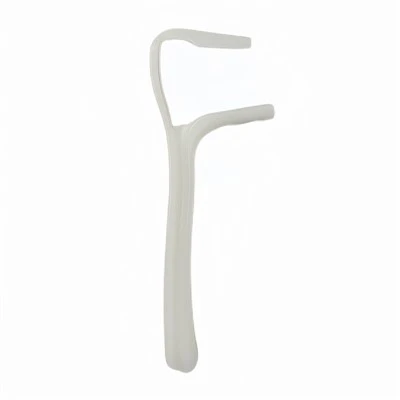
Dental X-ray Film Holder References
- American Institute of Ultrasound in Medicine. (2020). Clinical Guidelines for Infection Control in Medical Ultrasound. Journal of Ultrasound in Medicine, 39(12), 2261-2278.
- Smith, A. et al. (2021). Assessment of Ultrasound Probe Cover Performance and Image Quality in Clinical Settings. Journal of Medical Ultrasound, 29(3), 145-152.
- European Society of Radiology. (2019). Infection Prevention in Diagnostic and Interventional Radiology: A White Paper. European Radiology, 29(10), 5321-5330.
- Occupational Safety and Health Administration. (2022). Bloodborne Pathogens Standard: Guidance for Medical Ultrasound Providers. OSHA 3352-06N.
Nanjing Jiawei Medical Devices Co., Ltd.
Address: No. 1, Rungu Road, Guli Sub-district, Jiangning District, Nanjing City, Jiangsu Province
E-mail: 3851343798@qq.com
WebSite: https://www.goldenwayppe.com/
