Hey there, Sludge Centrifuge
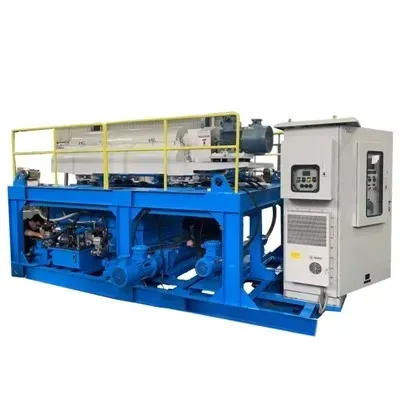
If you’ve ever worked with wastewater treatment or sludge dewatering, you know a sludge centrifuge is basically the workhorse that turns that messy, high-water sludge into something way more manageable—like cake that’s easier to haul off and dispose of or even reuse. But here’s the thing I run into all the time as a centrifuge supplier: most operators are so focused on getting that solid cake dry enough, they don’t stop to think about the environmental hits their centrifuge is taking. Sludge centrifuges can leak, waste energy, spew bad odors, or leave that excess centrate (the liquid that gets spun off) way too polluted. The good news? You don’t have to sacrifice performance to cut those impacts. I’ve been helping facilities tweak their setups for years, so let’s break down the real, actionable stuff—not the jargon-heavy white papers, just what works on the ground.
First off, let’s talk energy. Centrifuges are big power hogs—like, some models can guzzle as much as a small household’s monthly usage in a day if they’re not dialed in. Most people just run theirs 24/7 no matter the sludge load, but that’s a huge waste. Here’s a trick I tell every new customer: use variable frequency drives (VFDs). Yeah, it’s a technical term, but it’s basically a device that lets the centrifuge’s motor speed adjust based on how much sludge is coming in, not just running at full blast nonstop. For example, if your facility’s sludge flow drops on weekends (super common for many plants), the VFD slows the centrifuge down so it’s not burning power for no reason. I once had a municipal plant in Ohio cut their centrifuge energy use by 38% in three months just by installing VFDs—no new machine, no fancy wiring, just a simple add-on. And if you’re in the market for a new centrifuge, skip the old, over-engineered high-G models (those super fast ones that spin at 10,000 RPM) unless you actually need that level of dry cake. Lower-G centrifuges (around 3,000–5,000 RPM) work great for most municipal and industrial sludge, and they use way less energy. I always explain that to people—they think faster is better, but it’s not, and it’s worse for the planet.
Next up, the stuff that gets missed: centrate treatment. The centrate that comes out of the centrifuge isn’t pure water—it has leftover solids, nutrients like nitrogen and phosphorus, and even some chemicals from your polymer addition. A lot of facilities just dump this straight back into the wastewater stream, which means those extra nutrients mess with treatment plant processes and can even cause issues in nearby rivers or lakes. So how do you fix that? First, don’t overdo the polymer. I see so many operators dumping way more polymer than they need just to get a little drier cake—wasting polymer is not only a cost hit but also adds unnecessary chemicals to the centrate. Get a good polymer dosing system with a flow sensor that adjusts the dose in real time based on sludge consistency. That cuts polymer use by up to 20% on average, and the centrate ends up with way fewer contaminants. Then, you can also add a small post-treatment step for centrate—like a fine filter or a biofilm reactor—to pick up the last of the solids. One food processing plant I work with turned their centrate from needing extra treatment to being almost clean enough to reuse for cleaning their equipment, which saved them water costs too. Win-win.
Odor and air quality—this is a big one, especially for facilities near neighborhoods or in urban areas. Sludge centrifuges can release nasty, smelly gases like hydrogen sulfide, which is not just unpleasant but also bad for the environment and worker health. The mistake people make here is just slapping on a big exhaust fan and calling it a day, but that wastes even more energy and still doesn’t always catch the smell. Instead, seal up the centrifuge unit properly. Most modern centrifuges come with sealed enclosures, but if you have an older model, you can add flexible gaskets around the feed and discharge points to prevent leaks. Then, instead of just venting the air outside, run it through a simple treatment system—like a carbon filter or a biofilter that uses bacteria to break down the bad gases. I had a customer in Pennsylvania who was getting complaints from a housing development 2 miles away because their centrifuge smell drifted over. We sealed the unit and added a $1,200 biofilter (way cheaper than a new fan or fines) and the complaints stopped entirely. Also, don’t run the centrifuge when the wind is blowing toward residential areas if you can schedule it at a time when the plume will disperse over industrial land—small, easy moves that make a huge difference for community relations (and environmental compliance).
Then there’s the big one: sludge handling and reuse. The whole point of dewatering is that you can do something with that cake instead of hauling it off to a landfill (which is a huge source of methane when organic sludge decomposes). A lot of centrifuges leave cake that’s just wet enough to be messy, so operators over-dry it to make it easier to transport, which wastes energy. But if you dial in the centrifuge’s solids capture rate—meaning how much of the sludge’s solids you pull out—you can get cake that’s dry enough to be reused. A lot of people don’t realize that treated sludge cake (when it’s from municipal plants, anyway) is great for soil amendment—low-contaminant versions can be used on farmland or in reclamation projects for native plants. Industrial sludge, like from food processing or paper mills, might have extra nutrients perfect for composting. The key here is making sure your centrifuge is set to get a consistent solids capture rate of 90% or higher—any lower than that, you’re leaving solids in the centrate and making the cake harder to reuse. I’ve had multiple customers go from landfilling 80% of their sludge to reusing 90% of the cake just by tweaking their centrifuge settings. Landfills are a nightmare for greenhouse gases, so every ton you divert is a win for the planet.
Wait, let’s not forget maintenance—because a poorly maintained centrifuge is a dirty, wasteful centrifuge. If your centrifuge’s bowl is out of balance or the conveyor blades are worn down, it’s going to leak more sludge, use more energy, and have worse solids capture. I tell every customer to do a monthly check: wipe down the seals, check for leaks in the feed line, and calibrate the polymer dosing system. Every quarter, tighten up the conveyor bolts and check the bowl alignment. For older centrifuges, sometimes replacing worn parts (like the conveyor or the wear plates) is way cheaper than buying a new machine, and it keeps the unit running efficiently for years. I had a customer with a 15-year-old centrifuge that was leaking and wasting 25% more energy—we replaced the worn conveyor blades and adjusted the alignment, and it ran like new for another 7 years, with way lower environmental impact than if they’d had to buy a new unit.
Also, let’s talk about water use related to centrifuges. Wait, you might be thinking—centrifuges use water? Yeah, the cleaning step! Most facilities flush their centrifuge with water every time they use it, which is a huge waste of potable water. Instead, install a closed-loop water system for cleaning. That means you collect the wash water, filter it, and reuse it instead of dumping it down the drain. I saw a chemical plant that cut their centrifuge-related water use by 70% just by setting up a small holding tank and a fine filter for wash water. It’s not complicated—you just need a basic tank and a filter, nothing fancy, and it saves water and cuts down on the water you’re adding to the sludge stream.
Let me be real here: none of this is about making you spend more money. Most of these fixes are low-cost, quick tweaks, and some even save you money long-term—lower energy bills, less polymer, less hauling costs for sludge. I’m not here to sell you a $100,000 new centrifuge unless you actually need it. What I am here for is to help you make the centrifuge you already have work better for the environment without sacrificing performance. At the end of the day, minimizing your centrifuge’s environmental impact is just about being intentional—thinking beyond just getting that dry cake, and looking at the whole process: energy, centrate, odor, sludge reuse, maintenance, water.
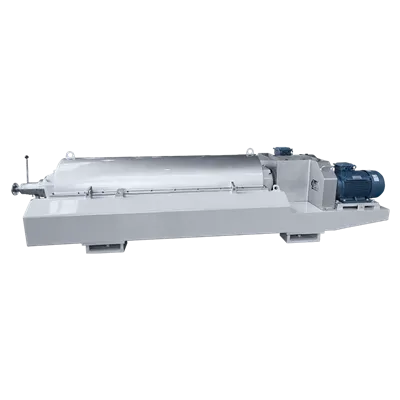
If you’re tired of dealing with high energy bills, odor complaints, sludge that’s hard to reuse, or centrate that’s causing treatment issues, let’s chat. I’ve helped dozens of facilities across different industries nail this stuff, and I can walk you through what would work for your specific setup—no sales pitch, just real advice from someone who’s been in the trenches with these machines.
2 Phase Decanter Centrifuge References
- American Water Works Association. (2021). Sludge Dewatering Best Practices for Energy and Resource Efficiency. AWWA Press.
- Environmental Protection Agency. (2020). Sustainable Sludge Management: Reducing Environmental Impacts of Dewatering Processes. EPA Office of Water.
- Weber, A. et al. (2019). Energy Optimization of Solid Bowl Centrifuges for Municipal Wastewater Sludge Dewatering. Journal of Environmental Engineering, Vol. 145, No. 8.
- Water Environment Federation. (2022). Odor Control Strategies for Sludge Handling Equipment at Wastewater Treatment Plants. WEF Press.
Lishui Yuanrong Environmental Protection Equipment Co., Ltd.
As one of the most professional sludge centrifuge manufacturers and suppliers in China, we have world-leading production equipment and strong manufacturing capabilities. Please feel free to buy customized sludge centrifuge from our factory. Also, quotation is available.
Address: Lot 6-1, Block 15, Wanyang Zongchuang City, Lishui, Zhejiang, China
E-mail: 361184920@qq.com
WebSite: https://www.yrhdc.com/
