Hey everyone, if you’ve ever stared at a metal nameplate on a piece of expensive machinery, a sleek appliance, or even a custom piece of hardware and had to squint because sunlight or overhead office lights were bouncing off it so bad you couldn’t read the text—yeah, that’s the glare problem we deal with every single day as a metal nameplate supplier. People hit us up all the time asking, “Is there actually a way to fix that?” and honestly? The short answer is yes, and we’ve been testing every anti-glare treatment under the sun (pun very intended) for years to figure out what actually works, not just what looks good in a sales sheet. Let’s break this down like we would chat with a regular client who’s actually dealing with this headache, no fancy jargon or B.S. Metal Nameplate
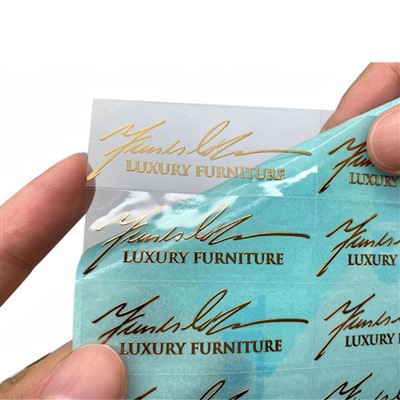
First off, let’s be real for a sec: why is metal nameplates so glare-y in the first place? Most standard nameplates are made from stainless steel, aluminum, brass, or copper—all super reflective, smooth metals. When light hits a flat, polished metal surface, it bounces back directly into your eyes, not scattered like it does on, say, a matte piece of paper. That’s why even a bright overhead lamp in a workshop can turn a perfectly clear part number on a nameplate into a unreadable blur, which is a huge problem for everyone from manufacturers tracking inventory to small business owners labeling their equipment. We once had a guy reach out last quarter who lost thousands of dollars because his custom metal nameplates on construction tools were unreadable in direct sunlight—workers couldn’t tell which tools were which, so they were misused and damaged. That’s the kind of issue that makes anti-glare treatments not just a “nice to have” but a must-have for a lot of our clients.
Now, what are the actual anti-glare treatments we offer, and which ones work best for different situations? Let’s start with the most popular one we run into all the time: matte finishing. Wait, not just any matte finish—we’re not talking about that cheap sandblasted stuff that looks rough and wears off in six months. We use a controlled mechanical abrasion process, usually a combination of fine-grit media blasting or brush polishing, to create tiny, micro-sized bumps and pits on the metal surface. These little imperfections scatter light instead of letting it bounce straight back at your eyes, so the text and logos stay readable no matter how much light is hitting them. The best part? This treatment works on almost every metal we use—aluminum, stainless, brass, even the more exotic stuff like bronze or nickel silver. We did a test last year where we put matte finished nameplates and standard polished nameplates next to each other on a construction trailer, left them out in the Arizona sun for three months, and guess what? The standard ones were completely unreadable during midday, while the matte ones still popped clear as day. The catch here is that matte finishes can show smudges and fingerprints a little more than polished ones, so if your nameplate is going to be on something that gets handled a lot (like a power tool), we usually pair the matte finish with a clear, durable topcoat to cut down on smudges without bringing back the glare.
Next up, there’s chemical etching with anti-glare properties—wait, hold on, not regular etching that’s just for text. When we do chemical etching, we can adjust the acid concentration and etching time to create a uniform, low-reflectivity surface instead of a smooth, shiny one. This is super popular for clients who need a ultra-flat nameplate, because mechanical abrasion can sometimes leave tiny lines or texture that’s too noticeable if you’re going for a super sleek, professional look. We used this for a medical device client last year—they needed nameplates on MRI machines that couldn’t have any rough texture that might catch on gloves or get dirty, and also had to be readable under bright clinical lighting. The chemical etch anti-glare finish was perfect because it’s 100% smooth to the touch, way more durable than matte finishes, and cut glare by like 75% compared to polished metal. The only downside here? It’s a little more expensive than matte finishing, and it doesn’t hold up quite as well to heavy abrasion, so if your nameplate is going to be in a super harsh environment (like a mining site), matte is still the better call.
Wait, another one that we’ve been experimenting with a lot lately is coating with anti-reflective (AR) thin films. This is the same kind of coating they use on phone screens and eyeglasses, right? But we adapted it for metal nameplates. We apply a very thin, layer of specialized coating (usually made from metal oxides like silicon dioxide or titanium dioxide) that works by canceling out the reflected light waves. It’s wild—when you get it right, it can reduce glare by up to 90% without changing the metal’s natural shine at all. So if you want the look of a polished brass nameplate but don’t want the glare to mess with readability, this is the way to go. We tested this on a set of luxury kitchen appliance nameplates last year, and the client loved it because the brass still had that warm, premium shine that matched their brand, but when you stood under their showroom track lights, you could read the text instantly instead of having to move around to avoid the glare. The only thing to watch out for here is that the coating can scratch if it’s not applied right, so we always pair the AR film with a hard, scratch-resistant topcoat to make it hold up. Also, it’s not cheap—we only recommend this for higher-end applications where the look of the metal is more important than super heavy-duty durability.
Oh, and one old-school trick that still works surprisingly well for outdoor nameplates: powder coating with a matte or satin finish. Wait, I know what you’re thinking—powder coating is paint, right? But if you use the right powder, it’s way more durable than regular paint, and you can get it in matte or satin levels that cut glare. We do this all the time for clients who need custom nameplates for outdoor signage or playground equipment, where they want a pop of color too. For example, a playground company reached out to us a while back wanting nameplates on their metal slides that had bright, visible text but weren’t glare-y enough to hurt kids’ eyes when they were playing in the sun. We did a satin black powder coat with white text that had been treated to be glare-resistant, and it turned out perfect—no glare, the color stayed bright even after two years in the rain and snow, and the text never wore off. The downside here is that powder coating is thicker than the other treatments, so if you need a nameplate to fit into a tight, narrow space (like on a small electronic device), it might be too bulky. Also, you can’t get the natural metal look with powder coating—it’s a finish over the metal, not a treatment that changes the metal itself.
Wait, let’s also talk about what doesn’t work, because we’ve had clients try these and come back frustrated, and we don’t want you wasting your money. First, polishing the metal more—like, going from a semi-polish to a mirror polish. That just makes glare worse, not better, obviously. We had a client once who polished their nameplates super shiny thinking that would make them look nicer, and then called us panicking because no one could read them. Another one: cheap spray-on anti-glare coatings you can buy at a hardware store. We tested a bunch of those once, and they wear off after a few months of being in the sun or getting touched. They also can leave a weird, cloudy residue that makes the nameplate look cheap, so save your cash for the actual treatments that last. And sandblasting with too coarse sand—we’ve seen guys do that and get a super rough surface that looks like it was done by a amateur, and it’s hard to keep clean.
Now, how do we pick the right anti-glare treatment for your specific needs? That’s the question we get asked most, right? It’s not a one-size-fits-all thing. Let’s break it down by use case:
If you need a heavy-duty nameplate for construction equipment, mining gear, or something that gets banged up, scratched, and left outside in all weather: go with controlled matte mechanical abrasion plus a clear hard topcoat. It’s durable, cheap, cuts glare really well, and doesn’t show scratches as much as polished metal. We use this for like 60% of our industrial clients, and we haven’t had a single complaint about readability or wear in the last five years.
If you need a smooth, medical or electronic nameplate that can’t have rough texture: chemical etching anti-glare finish. It’s ultra-smooth, super durable against chemicals and cleaning wipes, and keeps glare low. The medical client we worked with has had nameplates in use for four years and they’re still perfect.
If you want a premium look, like luxury appliances or high-end signage, with no glare: AR thin film coating. It’s pricy, but it keeps the metal’s natural shine, cuts glare like crazy, and looks way more high-end than matte finishes. We did a set of custom brass nameplates for a high-end coffee roaster last year, and they still look like new after a year of being under bright shop lights.
If you need color for outdoor signage or playground equipment: satin powder coat anti-glare. It’s durable, comes in any color you want, and doesn’t have glare. Just make sure your space can handle the extra thickness.
Wait, also, a quick pro tip: the text on your nameplate matters too, even with anti-glare treatment. We always use bold, sans-serif fonts (like Arial or Helvetica) instead of fancy script, and make sure the contrast between the text and the metal is as high as possible. For example, dark text on light metal, or light text on dark metal— that makes it way easier to read even if there’s a little glare left. We had a client once who tried using a thin script font for their nameplates, and even with the best anti-glare treatment, people still couldn’t read it—so it’s not just the treatment, it’s the whole design.
As a metal nameplate supplier, we’ve learned over the years that anti-glare isn’t just a sales buzzword. It’s about solving a real problem that costs our clients time, money, and headaches. We don’t push the most expensive treatment just to make more money—we sit down with each client, ask them about where the nameplate is going, how it’s going to be used, what their budget is, and then recommend what actually works for them. Last month, a small manufacturing owner came to us with a bunch of nameplates for their new factory robots that kept getting glare so bad the workers couldn’t scan them with barcode readers. We did a matte finish with a clear topcoat, and they texted us a week later saying the barcode scanners pick them up instantly, no more squinting or adjusting the lights. That’s the stuff that makes this job worth it.
If you’re dealing with glare on your metal nameplates—whether it’s unreadable text in the sun, messy smudges, or a finish that wears out too fast—hit us up. We’re not just here to sell you a nameplate, we’re here to help you solve the glare problem, whatever your needs are. We can send you samples of each treatment so you can see how they look and feel in person, no strings attached. Don’t let glare make your nameplates unreadable—let’s figure out the right anti-glare treatment for your project.
Epoxy Sticker References
- Surface Engineering for Anti-Glare Applications, Institute of Materials, Minerals and Mining, 2021
- Durability of Metal Finishes for Outdoor Applications, American Society for Testing and Materials, 2022
- Anti-Reflective Coatings for Industrial Components, SPIE Digital Library, 2020
- Readability of Text on Metal Surfaces Under Varying Lighting Conditions, Journal of Industrial Design and Engineering Graphics, 2019
Guizhou Mingguan Sign Nameplate Products Co., Ltd.
We’re well-known as one of the leading metal nameplate manufacturers and suppliers in China. With abundant experience, we warmly welcome you to wholesale bulk customized metal nameplate at low price from our factory. For quotation and free sample, contact us now.
Address: Xinpu New District, Zunyi City, Guizhou Province of China
E-mail: zhangyixuanmglabel@126.com
WebSite: https://www.mingguan-label.com/
