Hey there, it’s Jake from your go-to twill webbing supplier – and let’s cut to the chase: I’ve seen way too many good rolls of twill webbing get ruined because someone stored them wrong. Last month, I had a regular customer, a guy who makes custom dog collars, call me panicking. He’d stacked 100 yards of 1.5-inch nylon twill webbing in his damp basement over winter, and half of it was moldy and brittle. Total waste, right? That could’ve been avoided with a few simple, smart storage moves. I’ve been in this game for 8 years, selling twill webbing to everyone from small accessory makers to big outdoor brands, so I know exactly what works and what’s a no-go. Twill Webbing
First, let’s talk about what twill webbing is – because yeah, understanding the basics helps with storage. Twill webbing is made from tight, diagonal-woven fibers, usually nylon, polyester, or cotton. Each material has its own quirks. Nylon is durable, stretches a little, and hates extreme temps. Polyester is UV-resistant, but it can hold static if it’s stored near other plastic stuff. Cotton is soft and easy to stain, so moisture is its worst enemy. No matter what your twill webbing is made of, the #1 rule of storage is controlling two things: moisture and temperature. I can’t tell you how many times I’ve heard, “Oh, I just left it in the garage – it’s fine!” Spoiler: garages are terrible storage spots for fabric-based goods.
Let’s start with moisture. Mold and mildew are the biggest threats here, and they don’t take long to show up – like, 2 weeks in a damp space is enough. Here’s my go-to trick: never store twill webbing directly on concrete or wood floors. Concrete sweeps moisture from the ground, even if it feels dry, and untreated wood absorbs humidity like a sponge. A few months back, I sent a batch of polypropylene twill webbing to a brand that stored it on a wooden pallet in their warehouse, and by the time they unrolled it, the bottom layer had a musty smell and small white spots. I had to replace half of it, and that cost both of us time and money. Instead, use plastic pallets or even sturdy plastic bins with lids that seal. If you’re using rolls (which you should, for twill webbing – folding causes creases that are hard to get out and can weaken the weave), slip a plastic pallet under the roll’s core to keep it off the floor.
Another moisture killer: air flow. If you seal twill webbing in an airtight container without any ventilation, even a tiny bit of residual moisture from when it was made (or washed) can get trapped. I recommend adding silica gel packets to each bin. You can get them cheap at any craft store or online, and they work wonders – I keep a box of 50 in my warehouse at all times for this exact reason. Just don’t use too many; 1 or 2 per bin of 100 yards is enough. And never use the desiccant packs that come in new shoes – those are usually not food-safe and could have leftover chemicals, plus they’re too small for big rolls.
Temperature is next. Twill webbing hates extreme hot or cold. If you store it in a attic or garage that gets over 90°F (32°C) in summer, the fibers can break down, get brittle, and lose their tensile strength – that’s the stretch that makes twill webbing strong for things like backpack straps or dog leashes. In winter, below-freezing temps can make nylon twill webbing stiff, and if you roll it up tight when it’s cold, it can develop permanent creases that will never flatten out. My warehouse is kept at a steady 65-70°F (18-21°C) year-round, and that’s what I tell all my customers to do. If you don’t have a climate-controlled space, a spare closet in your house works – just keep it away from heaters, radiators, or windows that get direct sunlight for hours. Speaking of sunlight… that’s another big one. UV rays from the sun will fade the color of your twill webbing and weaken the fibers over time. I had a customer once who stored his webbing on a sunlit wall in his workshop, and after 6 months, the red dye had turned pink, and the webbing tore when he pulled it. So keep it in a dark spot – no windows, no skylights.
Now, how you actually arrange the rolls of twill webbing matters too. Let’s get one thing straight: never fold twill webbing. Folding creates sharp creases, and those creases are stress points that can cause the fibers to snap when you use the webbing. Always roll it tightly around its original core, or a new plastic core if the original is damaged. If you’re using new cores, make sure they’re sturdy – cardboard cores get squished, and that can bend the webbing’s shape. I always send my customers extra plastic cores with bulk orders for this reason. When stacking rolls, don’t pile too many on top of each other. If you have a big stack, the rolls at the bottom can get squished, which will flatten the weave and make the webbing less durable. My rule is no more than 5 rolls high for 2-inch or wider twill webbing, and no more than 7 rolls high for narrower ones. Also, leave a little space between rolls if they’re in bins – don’t pack them tight; air needs to circulate, even a little.
Wait, what if you’re storing partial rolls? I get that – you might use a few yards of a roll and have the rest left over. Don’t just leave it unrolled on your workbench. That will let dust, dirt, and moisture get on it, and it will also get tangled with other rolls. Take a length of twine or a rubber band (but not a tight one – something loose) and wrap it around the middle of the partial roll to keep it from unraveling, then put it back in its bin or a small storage bag. And label it! I can’t tell you how many times I’ve sorted through my own warehouse and found a partial roll of blue nylon twill webbing that’s been there for 6 months, because I forgot what size or color it was. A little label with the size, material, and date you stored it will save you so much time later.
There are a few other little mistakes I see all the time, too. Don’t store twill webbing near cleaning supplies, paint cans, or any chemicals. Chemical fumes can seep into the fibers and discolor them or even make them break down. I had a customer who stored his webbing next to a bucket of paint thinner in his garage, and by the time he used it, the webbing had a faint chemical smell, and he couldn’t use it for his baby product line – that’s a big loss. Also, keep it away from pests. Mice, rats, and even moths love to chew on natural fibers like cotton twill webbing. If you’re storing cotton twill, add a few cedar blocks to the bin – cedar repels moths and smells nice, too. For synthetic fibers, mice are still a problem, so make sure your bins have tight lids that pests can’t chew through.
Let me test this stuff against real scenarios, just to make sure. Last quarter, I sent a customer 20 rolls of 1-inch polyester twill webbing. He stored them in a climate-controlled spare closet on plastic pallets, added silica gel packs, stacked them 4 high, and kept them away from sunlight and chemicals. 3 months later, when he used them, he said they were in perfect shape – no creases, no mold, no fading. Another customer, who stored his in his damp basement on concrete, no pallets, and no moisture control, had 3 rolls ruined in a month. That’s the difference right there.
Look, I get it – storage isn’t the most exciting part of working with twill webbing. You’re focused on making products, filling orders, and growing your business, so it’s easy to shove webbing in a corner and forget about it. But a little time spent storing it right will save you from throwing away expensive rolls, reordering last minute, or having to turn down a client because your materials are ruined. I’ve been doing this long enough to know that small, consistent habits make all the difference.
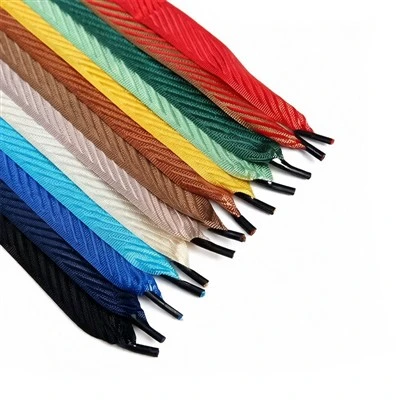
If you’re struggling with how to store your current twill webbing, or if you need a reliable source for high-quality twill webbing that holds up even when stored right, hit me up. I’m always happy to answer questions, help you figure out the best setup for your space, or send you a sample to test for your projects. Don’t let bad storage ruin your work – let’s get your twill webbing in good shape, so you can focus on making great products.
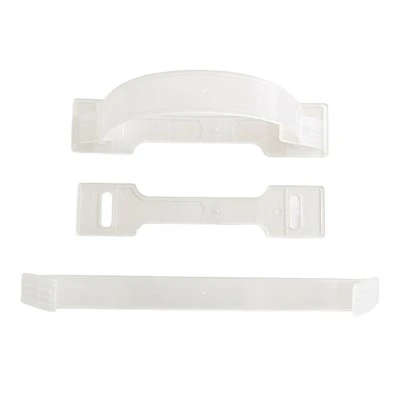
Plastic Carry Handle References
- Textile Storage Guidelines, National Textile Association, 2022
- Webbing Durability and Preservation, Industrial Fabrics Association International, 2021
- Mold Prevention in Fabric Storage, Journal of Textile and Apparel Technology and Management, 2020
Tengzhou Fujin Plastic Products Co., Ltd.
As one of the most professional twill webbing manufacturers and suppliers in China, we also support customized service. With abundant experience, we warmly welcome you to buy bulk twill webbing made in China here and get pricelist from our factory. For price consultation, contact us.
Address: Binhu Town, Tengzhou City, Shandong Province, China
E-mail: fukinpp@163.com
WebSite: https://www.tzfujin.com/
