Hey everyone, it’s Jake from the mining waste heat crew – been in this game for over 12 years, and I’ve lost count of how many mine ops hit me up confused about picking the right waste heat device. Like, let’s be real – waste heat isn’t just "extra heat you can dump into a river" anymore. Ditch that old mindset because we’re knee-deep in energy costs that keep spiking, plus regulations breathing down necks on carbon emissions. But here’s the thing: picking the wrong device? You’re just throwing cash down the drain, not saving it. So let’s cut the jargon, get real, and break this down like I’m talking to a buddy who runs a mine, not a textbook. Mining Waste Heat Utilization Device
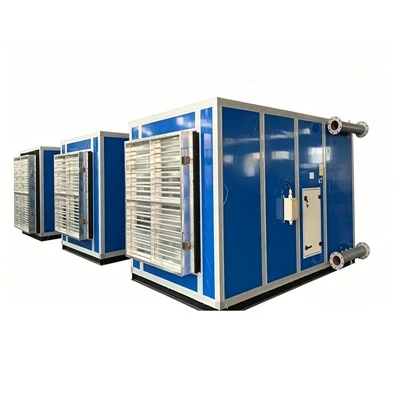
First off, I need to start with the basics because way too many guys skip this step and mess up big time. Not all mining waste heat is created equal. You’ve got to know what you’re working with before even opening a Google doc for quotes. Let’s run through the two main types you’ll find in mines: exhaust waste heat and process waste heat. Exhaust is that hot gas coming off your haul truck engines, your generators, or even your big on-site boilers. Process heat is the stuff from your actual operations – like the heat from ore processing, smelting, or even the hot water from mine dewatering systems.
Wait, and here’s a quick win I see folks miss all the time: the temperature of that heat. If your waste heat is super high (like over 500°C from smelter off-gases), you’ve got way more options. You can run an ORC (Organic Rankine Cycle) unit, a steam turbine, even a direct heat recovery system to make steam for heating or power. But if it’s low-grade heat – like that 80°C to 200°C water from dewatering pumps – don’t waste your time on a steam turbine. That’s like trying to start a lawnmower with a battery meant for a phone. Low-grade is better served with heat pumps or compact ORC units tuned for lower temps. Last year I worked with a gold mine in Nevada that was dumping 120°C process water into a tailings pond. They initially got pitched a big steam turbine, realized too late it’d only capture 12% of the heat – switched to a custom compact ORC we built, now they’re powering 20% of their admin building with that. Game changer, right?
Next big thing: your site’s actual layout and space constraints. Mines aren’t shiny urban office parks. They’re scattered, remote, often in places where every square foot costs a ton (literally – clearing land or building a new structure ain’t cheap). If you’re a small, remote mine up in Northern Canada where space is tight and you’re moving ops around every few years, you don’t need a massive fixed heat recovery plant that’ll take 6 months to install. You want modular, skid-mounted units. Those go on a big truck, you hook ‘em up, they’re operational in days. But if you’re a big copper mine in Arizona with a permanent processing complex and acres of empty land near your smelter, go for the large-scale, integrated systems. One example: a copper mine in Peru tried a modular unit first, but once they expanded their smelter, they swapped to a fixed ORC plant that could tie directly into their main process piping. Saved them $400k in transport and re-install costs down the line.
Also, don’t sleep on your power needs and grid connection (or lack thereof). So many mines are off-grid – that’s normal for remote sites. If you’re off-grid, your waste heat device isn’t just for cutting costs, it’s for keeping the lights on. You need something that can match your variable power load. Like, if your mine ramps up production at night, your heat recovery unit should be able to ramp up with it, not sit there idling. Grid-connected mines have a different deal: they can feed excess power back into the grid for credit, so you want a system that’s optimized for steady, high-volume power output, not just quick ramp-ups. We had a coal mine in West Virginia that was grid-connected; their ORC unit now sends enough extra power back to the utility to cover 30% of their monthly payroll. That’s not a side gig, that’s a real money saver.
Now, let’s talk about reliability and the harsh mining environment. Duh, mines are brutal – dust, humidity, extreme temps (think -40°F in Alaska or 110°F in Western Australia), vibration from heavy machinery, and way less maintenance crew than a regular factory. So the device you pick can’t be finicky. I see so many guys falling for the "low upfront cost" trap, buying a cheap unit from some overseas supplier that breaks every 6 months. The repair costs, downtime, lost production? Way more than the upfront savings. Look for devices with heavy-duty, corrosion-resistant parts. Mining exhaust has all sorts of gunk – sulfur, particulates, moisture – so your heat exchanger needs to handle that without clogging. We build our units with self-cleaning heat exchanger coils specifically for mining dust, so you only need to check ‘em once a quarter, not every week. A gold mine in Oregon went with a cheap competitor’s unit a few years back; they spent $150k in repairs in their first year, switched to our line, and maintenance costs dropped to under $10k a year. That’s a no-brainer.
Also, integration with your existing systems. You don’t want to have to redo your whole operation just to add a waste heat device. Pick something that can plug and play with your current generators, process piping, control systems. Most modern mines use SCADA (Supervisory Control and Data Acquisition) to run their ops; the device should sync up with that so your crew can monitor everything from the main control room, no extra software needed. We had a small silver mine in Mexico that was using old, analog control systems; we worked with their crew to tweak our basic model to integrate with their existing set-up, no expensive new tech required. They had the unit up and running in 3 days with zero downtime for their operations. That’s the kind of flexibility you want, not a system that’s a hassle to mess with.
Wait, and let’s not forget ROI (Return on Investment) timeline. Every mine has a payback window they’re comfortable with – usually 3 to 5 years, max. So when you’re looking at devices, don’t just look at the upfront price. Factor in maintenance, fuel savings, power sales, downtime costs. A bigger unit might have higher upfront cost, but if it saves you $500k a year in energy bills, it’s worth it. A smaller, cheaper unit might only save $150k a year, so it’ll take twice as long to pay for itself. Last year we did a breakdown for a lead-zinc mine in Tasmania: their first quote for a large ORC was $2.1M, payback 4.2 years. A smaller modular unit was $900k, payback 6.8 years. They went with the larger one, and this year their power savings are already 15% higher than projected, so payback will be 3.8 years. That’s math that works, not guesswork.
Also, ask about support. When something goes wrong (and let’s be real, stuff always goes wrong), do you have to wait a week for a technician to fly out to your remote site, or do you get 24/7 support, parts stocked locally, maybe even remote diagnostics? We have a team of techs on call 24/7, and we stock parts at warehouses in all the major mining regions – North America, South America, Australia, Southern Africa. If you have an issue, we can get someone out in 48 hours max, sometimes same day. A gold mine in Canada had a sensor go out on their unit at 2 a.m. during peak production. We sent a tech from our Calgary warehouse, he was there in 36 hours, fixed it in 2 hours. Lost zero production time. That’s the kind of support that actually matters, not just a phone number that goes to voicemail in the middle of the night.
Wait, let’s hit on something I see all the time – overlooking regulatory stuff and sustainability goals. More and more mines are hitting emissions targets, and governments are offering tax credits or grants for energy efficiency projects. A lot of waste heat devices qualify for those. For example, in the US, the Inflation Reduction Act has big tax breaks for industrial energy recovery projects. In the EU, mines get carbon credits for every ton of CO2 they cut. So when you’re picking a device, ask if the supplier can help you navigate the regulatory stuff, make sure it qualifies for those incentives. We have a dedicated team that helps our clients fill out the paperwork for grants and tax credits; last year that saved a copper mine in Chile $280k in incentives on their ORC unit. That’s free money you’re leaving on the table if you don’t check that box.
Let’s wrap this up with some quick actionable questions to ask before you sign any deal, alright? No more vague advice, specific stuff you can use today. First: "What’s the exact temperature and flow rate of my waste heat stream?" Don’t guess, measure it. Second: "Is this device modular or fixed, and how long does installation take?" Third: "How does this handle the specific gunk in my mine’s waste heat – dust, sulfur, moisture?" Fourth: "What’s the projected annual energy savings, and what’s the real ROI timeline, factoring in maintenance and downtime?" Fifth: "What kind of support do I get – 24/7? Local parts?" Sixth: "Does this qualify for any tax credits, grants, or carbon incentives?" If a supplier can’t answer these clearly, walk away.

At the end of the day, picking the right mining waste heat device isn’t about getting the cheapest thing or the biggest name. It’s about matching the device to your specific site, your ops, your needs, and being honest about what you actually need, not what a salesman is pushing. I’ve seen mines blow millions on systems that don’t work, and I’ve seen mines save millions with the right pick. We’ve been working with mines all over the world to build custom, reliable, cost-effective waste heat devices for over a decade. If you’re currently in the market, or just curious about how much you could save, hit us up to chat through your situation – no sales pitch, no pressure, just real advice from someone who’s been in the mines with the guys running the show for years.
Mining Waste Heat Utilization Device References:
- Global Mining Technology Association. (2022). Waste Heat Recovery in Mining: Global Trends & Operational Case Studies.
- International Energy Agency. (2023). Industrial Waste Heat Recovery: Barriers and Solutions for Remote Mining Sites.
- US Department of Energy. (2022). Tax Incentives for Industrial Energy Efficiency Projects, Including Waste Heat Recovery.
- Mining Magazine. (2023). Harsh Environment Equipment Standards for Mining Heat Recovery Systems.
- European Copper Institute. (2022). Carbon Credit Opportunities for Mining Operations Implementing Waste Heat Solutions.
Wuxi Hongye Automation Engineering Co., Ltd.
As one of the most professional mining waste heat utilization device manufacturers and suppliers in China, we’re featured by high quality customized products. Welcome to wholesale advanced mining waste heat utilization device in stock here and get quotation from our factory. Good service and punctual delivery are available.
Address: No.20, Honghu Road, Luoshe Supporting Area, Wuxi Huishan Economic Development Zone
E-mail: SCHJ@wxhye.com.cn
WebSite: https://www.wuxihongye.com/
