Hey there, fellow outdoor gear nerds and small-scale tent makers! If you’ve been scrolling through fabric options for your next build or restock, you’ve probably stumbled on EVA coated mesh fabric—and if you’re reading this, you might be wondering, “Wait, is this stuff actually good for making tents?” Full disclosure: I’m not a random influencer with a sponsored hat. I’m the guy who’s been selling EVA coated mesh to manufacturers, custom tent builders, and even weekend campers who make their own gear for like 7 years now. I’ve seen the good, the bad, and the “wait, why did someone use this for a tent?” moments. Today, I’m breaking this down like we’re chatting by a campfire (no stuffy engineering jargon, promise) so you can make a real call, not just pick the fanciest material online. EVA Coated Mesh Fabric
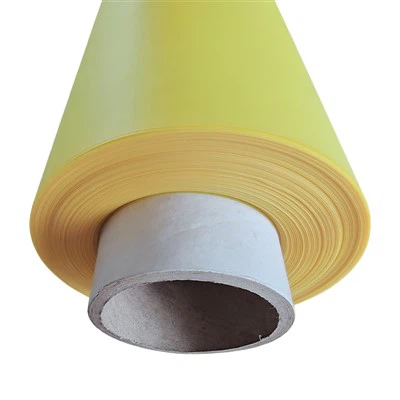
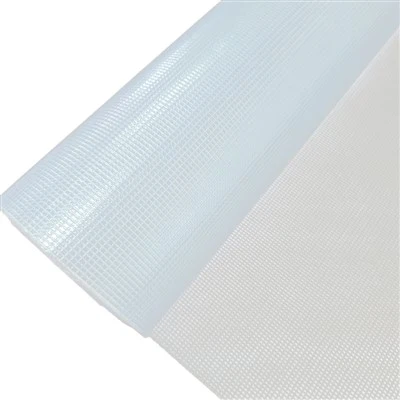
First, let’s cut through the confusion: what even is EVA coated mesh, anyway? A lot of people mix this up with regular EVA foam (the squishy stuff in flip-flops) or basic polyester mesh (the scratchy stuff in old soccer jerseys). Nah, this is two layers: a lightweight, breathable open mesh base (usually polyester or nylon mesh—super different from foam) with a thin, flexible EVA coating (ethylene vinyl acetate, if you wanna get technical) on one side. The coating isn’t thick like yoga mat material; it’s usually 10-20 mils thick, so it bends, stretches a little, and still lets air pass through. I’ve had customers come to me thinking it’s a waterproof plastic mesh, and others thinking it’s just a see-through screen for fly screens—spoiler: it’s a middle ground that fits a super specific outdoor need.
Now, the big question: is it actually good for tents? Let’s start with the “yes” moments, because that’s where most people sleep on this fabric. First up: breathability. Like, way better than solid nylon or polyester tent fabric. Why? Because the mesh base is open—holes in it mean air can flow right through, instead of getting trapped under a waterproof rainfly. For summer tents, this is a game-changer. I had a customer last year making 2-person backpacking tents for festival goers who were sick of waking up soaked in condensation, even with a fly. They used EVA mesh for the main inner tent walls, and their customer reviews were insane—no more that sticky, sweaty tent feeling when you’re sleeping next to a tent mate or sharing a spot on a hot festival field. That’s a huge win for warm-weather shelters.
Then there’s durability, but not the kind you think. A lot of people see “EVA” and think it’s fragile, but the mesh base gives it structure, and the coating adds a little abrasion resistance. I’ve had customers use this for inner tent floors too—wait, yeah, not just walls. If you’re making a base for a tent that’s only used for car camping on grass or gravel (no sharp rocks or thorns), EVA mesh is way tougher than regular nylon mesh, which can get a hole from a dropped tent stake or a wayward rock in 2 seconds. The EVA coating seals the tiny gaps in the mesh, so it won’t let sand seep up through the floor like plain mesh does—huge for people who hate waking up with grit in their socks. Also, it’s super light. We’re talking 1-3 oz per square yard, compared to 5-7 oz for solid nylon rainfly material. For ultralight backpackers, that’s a big deal—every ounce counts, and EVA mesh lets you cut weight without sacrificing too much protection.
But wait, let’s be real—no fabric is perfect, and EVA coated mesh has some major downsides that make it not for every tent. First: it’s not waterproof. Like, at all. The EVA coating is thin enough to block a tiny bit of moisture, but if it rains hard, that mesh is gonna let water right through. I had a customer try to make a 3-season tent with EVA mesh walls a couple years back, and they came back with a stack of returns because the tent leaked like a sieve during a rainstorm. That means it’s only good for inner tent walls (paired with a separate rainfly) or as a screen room for fair weather, not the main outer shell of a tent. Also, it’s not UV-resistant. If you leave EVA coated mesh out in the sun for more than a few weeks, the EVA coating breaks down, the mesh gets brittle, and it starts to fray. I always tell customers not to use this for a permanent shade structure, and if you’re using it for a tent inner, make sure to always put up the rainfly when it’s sunny for multiple days—sun is this fabric’s worst enemy.
Another downside: it’s not great for cold weather. The mesh is open, so even with the EVA coating, it doesn’t insulate at all. If you’re camping in temperatures below 50°F, a tent made with this material will feel like a screen door—all the warm air escapes, and the wind cuts right through. It’s just for warm weather, period. And let’s talk about cost. Wait, I sell this, so I’m gonna be honest: it’s not cheap. EVA coated mesh is usually more expensive than plain polyester or nylon mesh, because of the coating process. For a small custom tent maker, that can add up to 10-15% to their material costs, which means they have to charge more for the final product. That’s why a lot of budget tent brands skip it, but if you’re making a mid-tier summer tent focused on breathability, it’s worth the extra cost.
So who actually should use EVA coated mesh for tents? Let’s break it down by use case. First: summer inner tent walls. This is by far the most popular use for my customers. They pair it with a solid, waterproof rainfly (nylon or polyester with a polyurethane coating) and a lightweight inner floor, and the EVA mesh lets air flow so you don’t get condensation. Perfect for festivals, car camping in warm climates, or even backyard camping where you want to keep bugs out but not feel suffocated. Second: tent screen rooms. If you’re making a separate screen attachment for a camping tent—like a side room for eating or hanging out—EVA coated mesh is way better than fiberglass screen, which tears easily. It’s more flexible, won’t scratch your hands, and lets bugs stay out while you enjoy the breeze. Third: ultralight backpacking tent liners. Some of my smaller customers make custom ultralight tents where they use EVA mesh for the entire inner (with a lightweight rainfly) to cut weight. It’s lighter than solid mesh, so it’s ideal for people hiking long distances and counting every ounce.
Wait, but let’s talk about common mistakes people make when using EVA coated mesh for tents. I see this all the time. First: using it as the outer tent shell. Dude, don’t do that—unless you want a tent that leaks every time it rains. Second: not sealing the edges. The EVA coating can peel if you don’t use the right thread or seam tape. I always recommend using a polyester thread that’s matched to the mesh, and if you’re sewing the edges, use a seam sealant along the stitching if you’re using it for a floor or a space where moisture could seep in. Third: exposing it to too much sun. If you’re camping for a week in a sunny spot, make sure to take down the tent’s rainfly at night (wait, no—wait, when it’s sunny during the day, keep the fly up, and when it’s cloudy or at night, you can take it down if you want to stargaze). Wait, no, correction: the EVA coating breaks down when exposed to UV rays, so leaving the mesh part of the tent exposed to direct sunlight for more than 7-10 days straight will make it brittle. So always keep that rainfly up when the sun is high.
Now, let’s compare it to other common tent materials, just to put it in perspective. Regular polyester tent fabric: way more durable and waterproof, but way less breathable—sticky in hot weather. Nylon tent fabric: lighter than polyester, but still not as breathable as EVA mesh. Polyethylene (PE) tent fabric: super cheap, waterproof, but heavy and not breathable at all, so condensation is a nightmare. EVA coated mesh is the middle ground that no other tent material really hits—breathable, light, bug-proof, but only for warm, fair weather, and paired with a separate waterproof layer. That’s its niche, and that’s why it works, not because it’s a one-size-fits-all tent material.
I’ve been in this fabric game long enough to see trends come and go. A few years back, everyone was using plain polyester mesh for tent inners, but now they’re switching to EVA coated because it blocks more sand and debris, doesn’t tear as easy, and still lets air flow. Last year, I had a big festival brand order 10,000 yards of EVA mesh for their new line of 2-person tents, because their old tents were getting way too many reviews about condensation. They tested 5 different fabrics, and EVA coated mesh was the only one that cut condensation by 70% without adding a lot of weight. That’s not a fluke—when it’s used for what it’s made for, it works.
But let’s be clear: it’s not for everyone. If you’re making a 4-season expedition tent that has to handle snow, freezing temperatures, and heavy rain, EVA coated mesh is not your guy. If you’re making a budget tent for kids’ sleepovers that’s only used once a month, you don’t need to pay extra for this fabric—plain mesh works fine. But if you’re a custom tent maker targeting warm-weather campers, a backpacker chasing weight, or someone who wants a screen room for camping, EVA coated mesh is worth every penny.
Now, if you’re someone who’s actually making a tent with EVA coated mesh, here’s my pro tip: test a small sample first. I always send free 1-yard samples to makers and designers so they can sew a little swatch, test its flexibility, see how breathable it is, and make sure it works for their specific design. A lot of people order 100 yards and then realize it’s too stretchy for their inner walls, or too thin for their floor. Don’t make that mistake—test first.
At the end of the day, the answer to “is EVA coated mesh suitable for making tents?” is: it depends on what kind of tent you’re making. It’s not a universal tent material, but it’s perfect for a very specific, high-demand niche. It’s a workhorse for warm-weather tent inners, screen rooms, and ultralight liners, and it solves problems that regular tent fabric can’t. I’ve been selling this stuff for years, and I stand by it for the right use case.
If you’re a tent maker, a custom gear builder, or just someone who wants to chat more about EVA coated mesh for your next project, feel free to reach out. We can send samples, talk about different weights and coating options, and figure out if this is the right material for your tent build. No sales pitch, just honest advice—after all, I’ve been in this long enough to know that bad material choices lead to bad reviews, and that’s not good for anyone.
PVC Film References:
- Outdoor Industry Association. 2023 Technical Fabric Report: Breathable Materials for Backcountry Gear.
- Textile Institute. Performance Characteristics of EVA-Coated Polyester Mesh for Outdoor Applications. 2022.
- Backpacker Magazine. 2024 Ultralight Gear Guide: Weight Reduction Strategies for Tent Design.
- American Society for Testing and Materials (ASTM). Standard Test Methods for UV Resistance of Textile Materials. D4355-21.
Nantong Dahe Composite New Material Technology Co., Ltd.
We’re well-known as one of the leading EVA coated mesh fabric manufacturers and suppliers in China, specialized in providing high quality customized products to global clients. Please feel free to wholesale cheap EVA coated mesh fabric in stock here from our factory. Contact us for quotation and free sample.
Address: South Side of Pinghai Highway, Pinghe Village, Dongshe Town, Tongzhou District, Nantong City, Jiangsu Province, China
E-mail: nantongdahe@outlook.com
WebSite: https://www.cndahetech.com/
