Hey there, if you’re running a workshop—whether it’s a metal fabrication shop, a chemical blending space, or even a woodworking spot where you’ve got spills here and there—you know how annoying (and costly) it is when your workshop fence takes a hit from chemicals. We’ve been supplying workshop fences for years, and trust me, I’ve heard every horror story: a client’s old vinyl fence warped so bad it couldn’t keep tools in, a metal one rusted through from a single acid spill, even a wood fence that turned to mush from solvent drips. So today, let’s break down the chemical resistance of the most common fence materials we work with, no stuffy jargon, just real-world stuff that matters for your shop. Workshop Fence
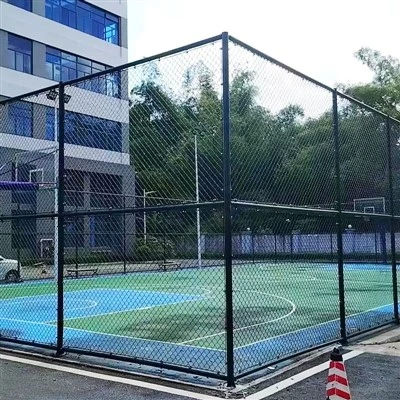
First up, let’s get clear on what “chemical resistance” actually means for a workshop fence. This isn’t a lab test for fancy equipment; it’s how well a fence stands up to the stuff you’re actually spilling: mild acids like battery acid or cleaning solutions, solvents like paint thinner or acetone, even oil and grease (which are technically chemicals too, right?). If a fence fails here, you’re looking at replacing it way sooner than you should, or worse, it can’t do its job—keeping debris out, tools from rolling away, or workers from wandering into a hazardous area. Let’s dive into each material one by one, starting with the ones most folks ask us about.
First material: Galvanized steel. A lot of workshops go for steel fences because they’re tough, low-cost, and hold up to impact from tools or heavy materials. But what about chemicals? Galvanized steel is regular steel coated with a zinc layer to prevent rust. Now, zinc is pretty good at resisting mild chemicals—think water-based stuff like mild detergents, most cleaning sprays, and even dilute acids like those found in fruit juice or light battery acid. But here’s the catch: it’s not great at strong solvents. If you spill acetone, paint thinner, or heavy-duty degreasers on that galvanized coating, the solvent will eat right through the zinc, and then the steel underneath starts to rust. We had a client last year in an auto body shop who used galvanized steel fences near a paint mixing station—after three months, the degreaser they used to clean spray guns dripped on the lower rails, and the whole zinc coating peeled off. The steel underneath rusted so bad they had to replace half the fence. Also, if you’re dealing with salt-based chemicals (like those used in metal finishing), that can corrode the zinc faster too. So galvanized steel’s sweet spot is low-spill areas—like the back of the shop where you store pallets, not right next to your chemical mixing bench.
Next: Stainless steel. This is the step up from galvanized, right? Stainless steel has chromium in it, which forms a protective oxide layer that’s way more resistant to chemicals than zinc. We usually recommend stainless steel for shops that handle harsher stuff—like metal plating, chemical manufacturing, or even food workshops where you need to comply with sanitation rules. What does it stand up to? Mild acids, strong bases (like lye-based cleaners), solvents, and even concentrated acids (within reason, obviously—we’re not talking hydrofluoric acid, which is a whole other beast). That auto body shop I mentioned earlier? If they’d used stainless steel, that degreaser wouldn’t have touched it. But here’s the thing: it’s pricier than galvanized, and it’s not invincible. If you get chlorine-based chemicals (like bleach or pool chemicals) on it repeatedly, that can cause pitting—tiny little holes in the steel over time. Also, if you’re in a workshop where you’re grinding or welding, the sparks can leave marks on stainless steel, but that doesn’t affect its chemical resistance. Just don’t use it near areas where you’re storing a lot of chlorine-based stuff, and you’re good to go.
Third: Vinyl (PVC). Vinyl fences are super popular for residential yards, but we get a lot of workshop questions about them too. They’re lightweight, easy to install, and cheap, so it’s tempting. But let’s talk chemical resistance here. Vinyl is a plastic, so it’s resistant to a lot of mild chemicals—water, detergents, oil, grease, even weak acids like vinegar. But strong solvents? Nope, that’s where it falls apart. Acetone, paint thinner, aromatic solvents (like toluene) will actually break down the plasticizer in vinyl, making it brittle over time. We had a woodworking client who used vinyl fences near their stain and varnish station—after a year, the fence posts got drips of stain on them, and the vinyl cracked so bad the lower part of the fence just fell off. Also, vinyl can discolor if you get UV exposure, but that’s more about sunlight than chemicals. The big red flag for vinyl in a workshop: if you’re handling any kind of solvent regularly, skip it. It’s only good for low-chemical areas, like a storage area for non-hazardous parts.
Fourth: Wood. Okay, wood is classic, but it’s not for every workshop. It’s cheap, easy to cut to size, but chemical resistance? Let’s be real. Wood is porous, so any liquid—whether it’s water, acid, solvent, or even oil—will soak into it. If you spill something on a wood fence, it’ll warp, rot, or develop mold over time. We had a client in a small printing shop who used pine fences to section off their ink storage area. The ink (which has solvents in it) seeped into the wood, and within six months, the posts were soft and started to split. Even if you seal wood with a stain or sealer, that seal wears off after a while, especially with repeated chemical spills. Wood is fine for a hobby workshop where you only handle mild stuff, but for a commercial shop with regular chemical exposure, it’s a nightmare.
Fifth: Polyethylene plastic (high-density polyethylene, or HDPE). This one’s a game-changer for workshops we’ve been working with lately. A lot of folks don’t know about HDPE, but it’s a tough plastic that’s super resistant to chemicals. What does it stand up to? Just about every common workshop chemical—solvents, mild to strong acids, bases, oil, grease, even the stuff I mentioned that eats through vinyl or galvanized steel. We use HDPE for a lot of our heavy-duty workshop fence panels because it’s also impact-resistant—if a tool gets knocked into it, it doesn’t crack like vinyl or chip like metal. Wait, but is there a downside? A couple things: HDPE is more expensive than vinyl or even galvanized steel, so it’s not the cheapest option. Also, it can get a little soft in very hot workshops (like if you’re running a foundry next to the fence), but that’s rare. And it’s lightweight, so you need to make sure the posts are sturdy enough if you’re in a high-traffic area where things might bump into it. We’ve had a chemical blending client use HDPE fences for two years now, and they’ve only had one tiny scratch from a drum rolling into it—no chemical damage, no warping, nothing. That’s way more than we can say for any other material in that scenario.
Wait, let’s talk about a few other materials that come up sometimes: aluminum. Aluminum is light, rust-proof, but its chemical resistance? It’s okay for mild stuff, but strong acids or bases will corrode it. If you spill a strong acid on aluminum, it’ll pit pretty fast, and if you spill a strong base, it’ll actually eat away at the metal. So aluminum is good for outdoor workshops where it gets rain and mild sun, but not for areas with chemicals. Also, it’s softer than steel, so it can dent if a heavy thing hits it.
Now, let’s put this all in context for you, the workshop owner. The key here is matching the fence material to your specific workspace. If you’ve got a shop that’s mostly woodworking, with very occasional solvent spills (like once a month when you clean a brush), maybe vinyl or galvanized steel will work. But if you’re in a shop that handles chemicals every single day—like auto body, metal plating, chemical blending, or even a car repair shop with degreasers all over—you want stainless steel or HDPE. If you go with the wrong material, you’re looking at replacing your fence every 6 months to a year, which adds up way more upfront than investing in the right material the first time.
I can’t tell you how many times a client has come to us after wasting money on a cheap fence that didn’t work. Last quarter, a client in a metal finishing shop bought a wooden fence to section off their acid tanks—within 3 months, the wood was rotted through from the acid fumes and spills. They ended up switching to our HDPE fences, and they’ve been happy ever since. Another one: a small fabrication shop went with galvanized steel near their welding area, but they were using a degreaser that dripped on the rails, and after 4 months, the zinc was gone. They upgraded to stainless steel, and now it’s holding up perfectly.
So what do we recommend? Let’s break it down by use case, since that’s what matters most for your workshop:
- Low-chemical areas (storage, hobby woodworking, parts organization): Vinyl or galvanized steel. Vinyl is cheap and easy to install, galvanized is tough for impacts.
- Medium-chemical areas (auto body, general maintenance, light cleaning): Stainless steel (for durability) or HDPE (if you want something impact-resistant and light).
- High-chemical areas (metal plating, chemical blending, heavy-duty degreasing): HDPE or stainless steel. Don’t skimp here—spending a little more upfront saves you from replacement costs later.
Also, a quick pro tip: no matter what material you choose, make sure the fence is installed with enough clearance from workbenches or equipment where spills happen. A 6-inch lip on the bottom of the fence (most of our materials come with that) will catch drips before they soak into or corrode the bottom of the fence panel. And if you’re dealing with fumes from chemicals, make sure the fence is made of a material that doesn’t absorb fumes—HDPE and stainless steel are great here, because vinyl can trap fumes and degrade from the inside out.
Wait, let’s address a common myth I hear all the time: “Plastic is plastic, so it’s all the same.” Nope. Not all plastics are created equal. HDPE is way more chemical-resistant than vinyl, and even than polyethylene types like LDPE. We only use HDPE for our heavy-duty panels because the cheap plastic stuff from big box stores just doesn’t hold up. Same with steel: not all galvanized steel is the same—thicker galvanized coatings resist chemicals way better than thin ones, so make sure you’re buying from a supplier who uses a proper zinc coating, not the cheap thin stuff that wears off in a few months.
Another thing to think about: maintenance. Some materials are easier to clean than others. Stainless steel is super easy—just wipe it down with a mild cleaner. HDPE is also easy, you can pressure wash it (on low setting, obviously) to get off chemical residue. Vinyl is easy too, but the downside is if it’s already degraded, cleaning won’t fix it. Wood? Good luck, once it’s soaked with chemicals, it’s gone. So even if you have to spend a little more on a material that’s easy to maintain, it’s worth it in the long run.
Now, let’s be real—we’re a workshop fence supplier, so we’re not gonna pretend every material works for every shop. But that’s why we’re here: to help you pick the right one, not just sell you the cheapest one. We’ve installed fences in all kinds of workshops, from tiny home garages to large industrial facilities, and we can tell you exactly what will work for your specific space. If you’re not sure which material is right for your workshop, just reach out—we don’t do high-pressure sales, we just give honest advice based on what’s worked for other clients.
Wait, let’s wrap this up without sounding too salesy. The last thing you want is a fence that fails when you need it most—like when a drum of acid spills and you need the fence to keep it from spreading, or a tool rolls into a walkway and the fence doesn’t collapse. That’s why chemical resistance isn’t just a “nice to have” for workshop fences—it’s a “must have.” Don’t cut corners here, because the cost of replacing a fence every few months will end up being more than investing in the right material upfront.
If you’re in the market for a new workshop fence, or you’re thinking about replacing your current one because it’s taking chemical damage, hit us up. We can walk you through the different materials, show you samples, and give you a quote that fits your budget. We don’t have a fancy website with 10 different products, just solid workshop fences that hold up to the stuff you throw at them. No weird fine print, no hidden fees—just straight talk about what works, and what doesn’t.

At the end of the day, your workshop fence is more than just a barrier. It’s a part of your workspace that needs to stand up to whatever you’re working with, day in and day out. The last thing you need is a fence that’s going to let you down when you’re in the middle of a job. So do your homework, match the material to your chemical exposure, and don’t be afraid to ask a supplier who actually knows their stuff. That’s the best way to make sure you’re getting a fence that works for your shop, not against it.
Court Fence References:
- "Chemical Resistance of Engineering Materials," NACE International, 2022.
- Workshop Material Performance Guide, Fabricators & Manufacturers Association, 2021.
- Polyethylene Plastic for Industrial Applications, American Plastics Council, 2020.
- Galvanized Steel Corrosion Resistance Data, International Zinc Association, 2021.
- Stainless Steel Chemical Compatibility Handbook, Nickel Institute, 2022.
Anping County Chengrun Metal Products Co., Ltd.
With abundant experience, we are one of the most professional workshop fence manufacturers and suppliers in China. Please feel free to buy premium workshop fence for sale here from our factory. All customized metal products are with high quality and competitive price.
Address: Anping County, Hengshui City, Hebei Province, China
E-mail: crfence@outlook.com
WebSite: https://www.chengrunfence.com/
