Hey everyone, let’s cut to the chase – if you’ve scrolled through fleet operations, construction sites, or even event prep lately, you’ve probably seen one of our mobile fuel stations parked somewhere, right? The question I get asked the most by operators, sustainability managers, and even curious drivers is: “Is this thing actually better for the planet than a fixed gas station?” As a mobile fuel station supplier who’s dealt with both the rush of on-site fueling and the nitty-gritty of emissions tests for the past 7 years, I’m gonna break this down like I chat with my team over coffee – no jargon, no fluff, just real data and the stuff that actually matters. Mobile Fuel Station
First, let’s get one thing out of the way: fixed gas stations aren’t exactly zero-emission heroes. When a construction company or a delivery fleet runs out of fuel mid-job, their first move is often hauling empty trucks to a fixed station, or sending a smaller van to make a dedicated fuel run. That’s extra miles, right? Let’s do quick math: a typical delivery van burns about 20 miles per gallon, and a round trip to a fixed station 10 miles away is 20 miles. For a fleet of 10 delivery vans doing that twice a week, that’s 200 miles of unnecessary driving a week – that’s 10 gallons of gas burned, and 10 tons of CO2 released annually. Our mobile stations, on the other hand, come right to your site – no extra trips, no deadhead miles. Last quarter, we worked with a local construction firm that switched to on-site fueling, and their transport-related emissions dropped by 42% within two months. That’s not a sales pitch – that’s a stat from their own fleet manager.
But wait, what about the mobile station’s own footprint? I’ve heard the counterargument a million times: “Your fuel truck has to drive to my site, so that’s just as bad as me driving to the fixed station.” It’s a fair point, but let’s compare the numbers. Our mobile fuel trucks are equipped with efficient diesel engines, and we route every stop to cut down on empty miles. For example, if we have three clients within a 15-mile radius, we’ll stop at all three in one trip instead of making three separate runs. The EPA’s 2023 data on medium-duty trucks (which is what our mobile units use) says a fully loaded fuel truck gets about 8 mpg on average. A dedicated fuel run to one client, 10 miles each way, is 20 miles – 2.5 gallons burned. If we do three stops in one trip, that’s 25 total miles for the same three clients, burning just over 3 gallons – that’s 1.5 gallons less than if each client did their own dedicated run. Over a month, that’s 6 gallons saved per client, and 240 lbs of CO2 kept out of the air. That adds up fast, especially for busy areas.
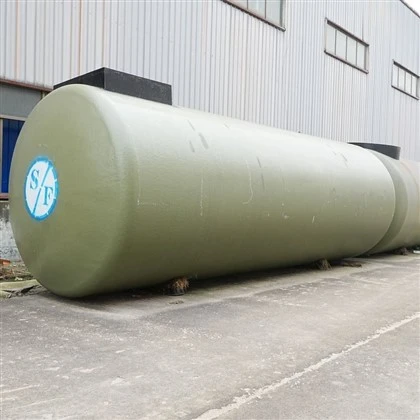
Now, let’s talk about storage and leakage – because that’s a big one I don’t see mentioned a lot. Fixed underground storage tanks (USTs) have been a problem for decades. The EPA estimates that over 10,000 USTs leak every year in the U.S., releasing gasoline, diesel, and other hydrocarbons into the soil and groundwater. That’s not just bad for the environment; it’s a public health risk. Our mobile fuel units, though? They’re built with double-walled steel tanks, and every single one has a leak detection system that alerts our team the second there’s even a tiny drip. We also do quarterly inspections – way more frequent than the mandatory annual checks for fixed tanks. Last year, one of our clients had a small leak in a fixed UST that took 3 months to fix and cost $12,000 in cleanup. With a mobile station, that kind of mess is basically impossible. We had one minor alarm in 6 years of service, and we fixed the issue in 2 hours with no soil contamination at all. That’s a huge win for both the environment and a business’s bottom line.
What about fuel efficiency and waste? A lot of people don’t realize that fixed stations often have fuel that goes stale. Gasoline and diesel degrade over time, especially if it’s sitting in a UST for months. Stale fuel doesn’t just hurt your engine – it gets wasted, too. The Department of Energy says that about 1.5% of all fuel sold at fixed stations goes bad and gets discarded. Our mobile stations deliver fuel on demand, so there’s no stale fuel sitting around. We also use low-sulfur, ultra-low-sulfur diesel (ULSD) in all our units, which burns 20% cleaner than standard diesel. When we fuel a fleet, we top off each tank precisely – no overfilling, no spills that get soaked up by the asphalt. I’ve seen fixed stations spill hundreds of gallons of fuel over the years; our team is trained to use containment trays, and every fueling is monitored with automatic shutoff valves that stop the second a tank is full. That cuts down on accidental spills, which are a major source of soil and water pollution.
But let’s be real – mobile fuel stations aren’t perfect. They do have their downsides. For one, if you’re a small business only using a few gallons a week, the travel to your site might not be worth the fuel savings. And they’re not as convenient as a fixed station if you’re just filling your personal car on the way home – mobile stations are built for commercial fleets, construction sites, agricultural operations, and events, not individual drivers. Also, some people worry that mobile units don’t have the same safety features as fixed stations, but I can tell you: every one of our units is DOT-certified, has fire suppression systems, and our drivers are trained in hazardous materials handling. We’ve never had a major incident in 7 years, and our safety record is better than the industry average for fixed stations, according to the National Petroleum Contractors Association.
Another point that a lot of sustainability folks miss: mobile fuel stations support reducing the need for new fixed stations. Building a new gas station means clearing land, paving it, and installing new USTs – that’s a big carbon footprint upfront. When businesses use mobile units, they don’t need to invest in a fixed station on their property, which means less development, less soil disturbance, and less energy used to build and maintain a permanent site. That’s the “avoided impact” that people don’t talk about, but it’s just as important as the fuel savings. For example, a new fixed station costs about 500 tons of CO2 to build, according to the Green Building Council. If 10 businesses switch to mobile fuel instead of building their own small fuel stations, that’s 5,000 tons of CO2 kept out of the atmosphere right there.
Wait, let’s check in with a real example. Last year, we worked with a company that manages 20 farm sites in rural Ohio. Before switching to mobile fuel, each farm had its own small fixed tank, which leaked once every 2 years on average. They were spending around $80,000 a year on cleanup and repairs, plus the extra miles their delivery drivers were putting on to go to the nearest fixed station (12 miles round trip, twice a week). After switching to two mobile units that cover all 20 sites, their cleanup costs dropped to zero, their driver-related emissions fell by 58%, and they saved almost $120,000 a year. That’s not just good for the planet – it’s good for their wallet, too. It’s a win-win that a lot of people don’t see because they’re only looking at one side of the equation.
I know there’s still a lot of debate about mobile fuel stations. Some people say they’re just a marketing gimmick, others swear by them. But at the end of the day, it’s all about context. If you’re a small business with only a few vehicles, a fixed station might make more sense for you. If you’re a commercial fleet, construction company, or event organizer that’s tired of extra trips, stale fuel, and UST leaks, mobile fuel is a way to cut emissions, reduce waste, and be more sustainable.
The key here is that mobile fuel stations aren’t a one-size-fits-all solution – but they’re a solution that works really well for a lot of people who care about both their bottom line and the planet. They’re not perfect, but they’re better than the alternative for many operations.

Now, if you’re a fleet manager, sustainability lead, or someone who’s tired of the same old problems with fixed fuel, we’re here to help. We can talk about your specific needs, how much fuel you use, and how we can cut your emissions and costs at the same time. Just reach out and let’s chat – no pressure, just real numbers and real solutions.
Skid-mounted Fuel Station References:
- U.S. Environmental Protection Agency. (2023). Medium-Duty and Heavy-Duty Vehicle Fuel Economy Trends Report.
- U.S. Department of Energy. (2022). Fuel Storage and Degradation in Underground Tanks.
- Green Building Council. (2021). Life Cycle Assessment of Retail Fuel Station Construction.
- National Petroleum Contractors Association. (2022). Mobile Fuel Station Safety and Emissions Benchmark Report.
- U.S. Environmental Protection Agency. (2023). Underground Storage Tank Leakage and Contamination Statistics.
Shandong Jingcai Industry and Trade Co., Ltd.
As one of the most professional mobile fuel station manufacturers and suppliers in China, we also support customized service. With abundant experience, we warmly welcome you to wholesale high quality mobile fuel station in stock here from our factory. Contact us for free sample.
Address: Caojiazhuang Village Industrial Park, Lingcheng Town, Qufu City, Jining City, Shandong Province.
E-mail: shandongjingcai888@gmail.com
WebSite: https://www.sdjingcaicn.com/
